CONCEIVED BY HUMANS. MADE POSSIBLE WITH AI.
AMD opened CES 2026 with a statement about the future of AI, told through AI itself.

THE BRIEF
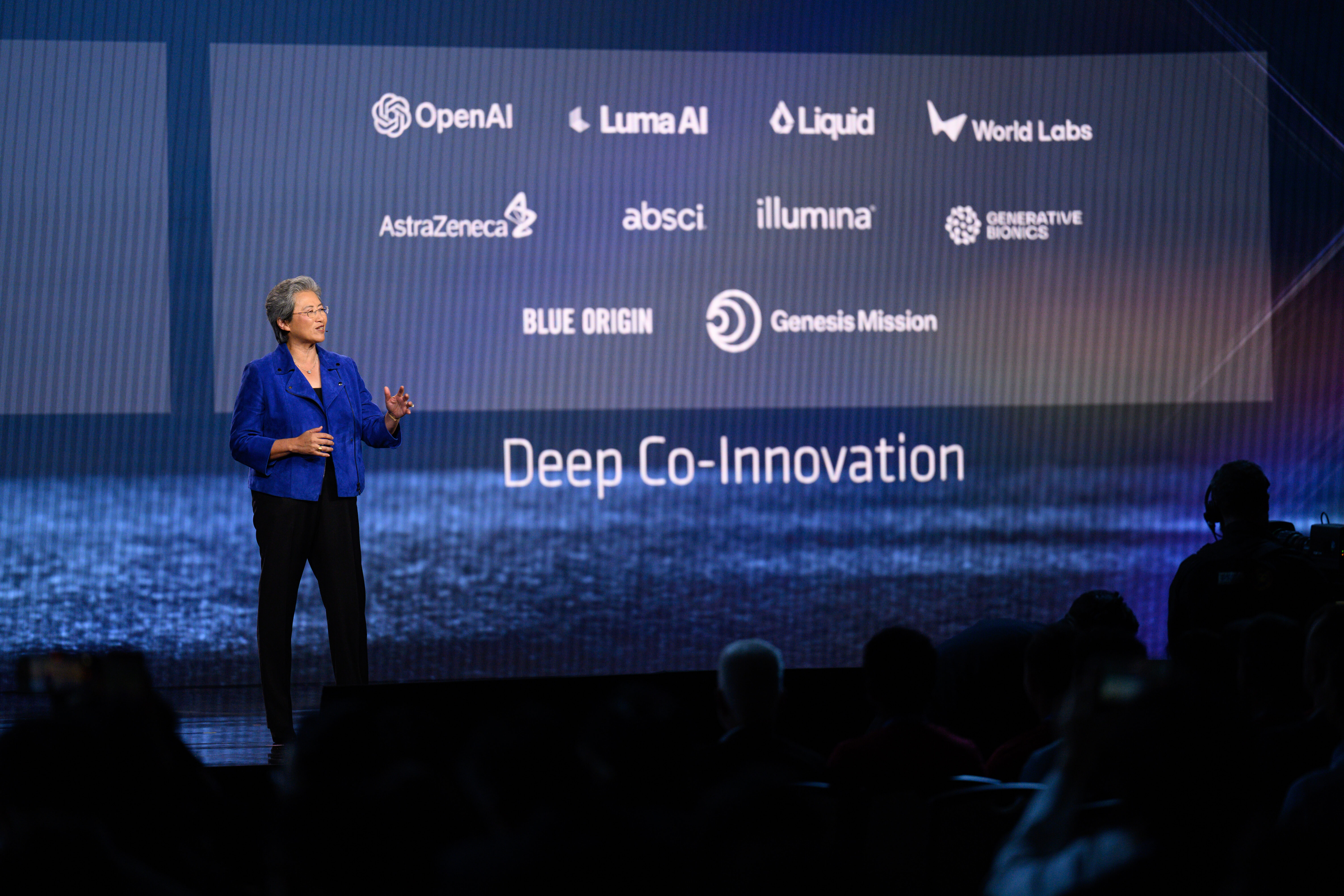
We were asked to create a film that set the tone for CEO and Chair Lisa Hsu’s CES Keynote and for the year ahead. The brief was to create a video that was immersive - taking full advantage of the venue’s seven screens - while supporting AMD’s message of “AI everywhere, for everyone,” and showing how AMD powers AI across verticals such as healthcare and transportation.



THE IDEA
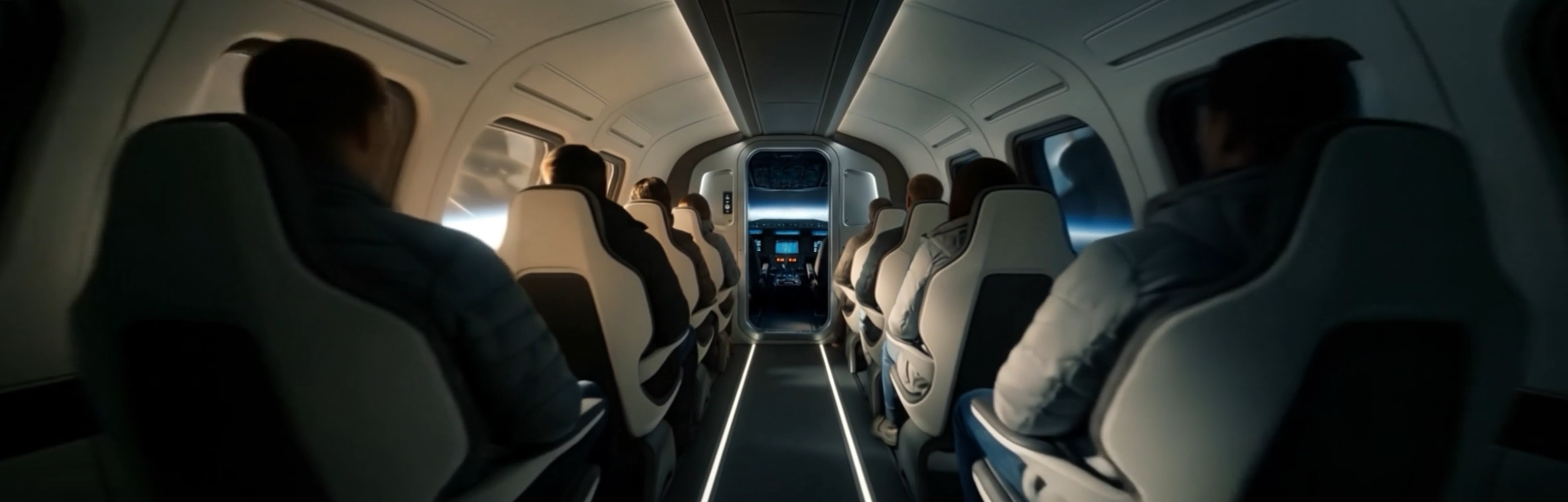
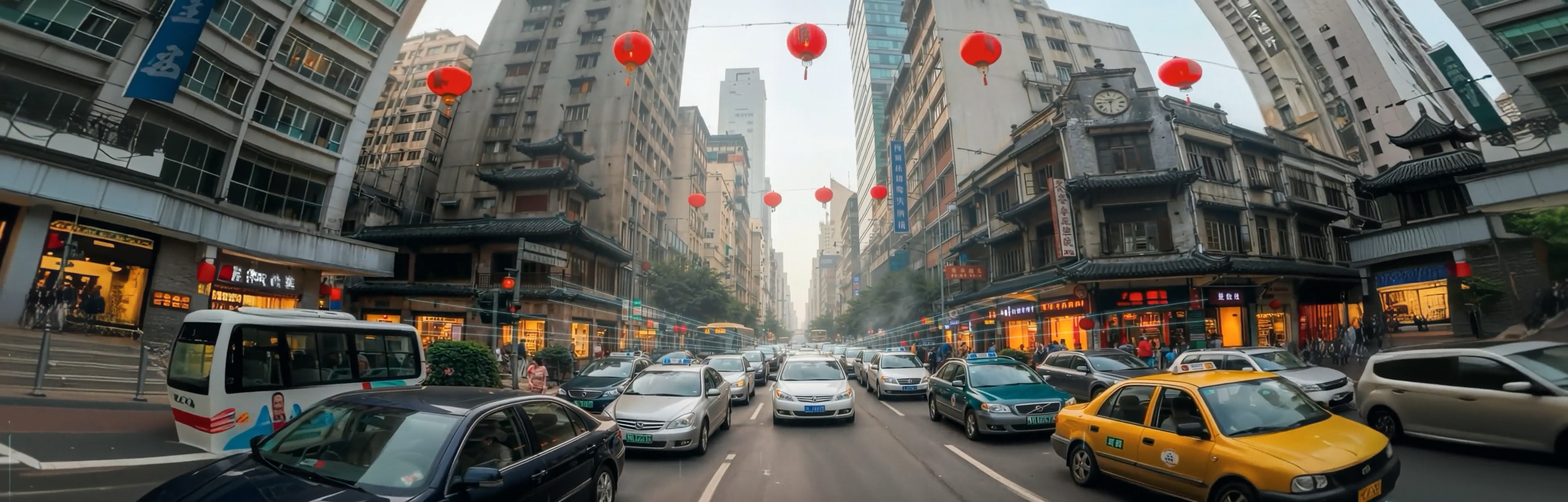
The video welcomes the live audience into a moment in human history where AI is quickly changing how we work, learn, move, and connect, and where the idea of what’s “impossible” is being rewritten.
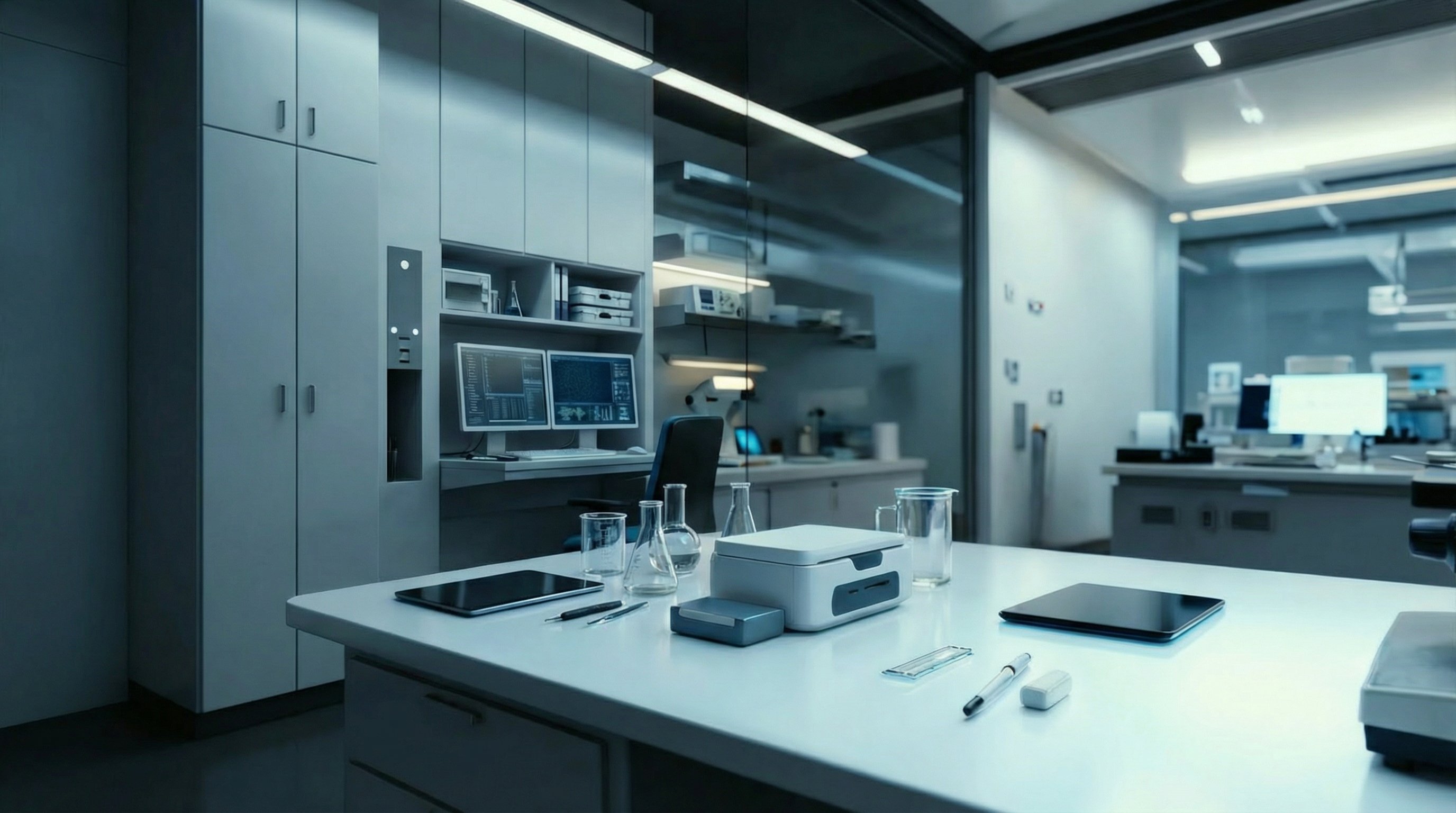
Told from a first-person perspective, the film places the viewer inside real-world applications of AI across healthcare, transportation, personal computing, urban planning, communications, and education - emphasizing progress that’s already underway and showcasing future use cases.

THE EXECUTION
The story was conceived by creatives, with AI used as the primary content generation tool. That choice was intentional - not to replace craft, but to reshape where and how it enters the process.
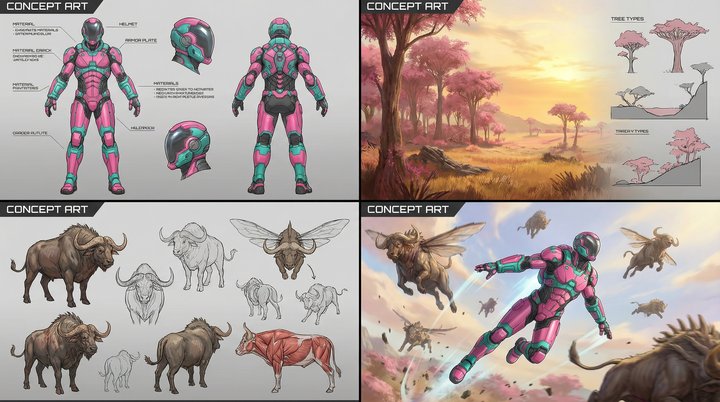


While the visuals were generated using an AI-first pipeline leveraging a large suite of AI tools, traditional editorial, compositing, color, motion graphics, music, and finishing were tightly integrated from the very beginning. In practice, post-production was involved earlier than it would have been on a traditional live-action project, informing decisions upstream rather than reacting downstream.
This hybrid approach allowed the team to maintain consistency and control, while upleveling the production value and allowing us to deliver on the brand story.


THE VENUE AND SCREENS
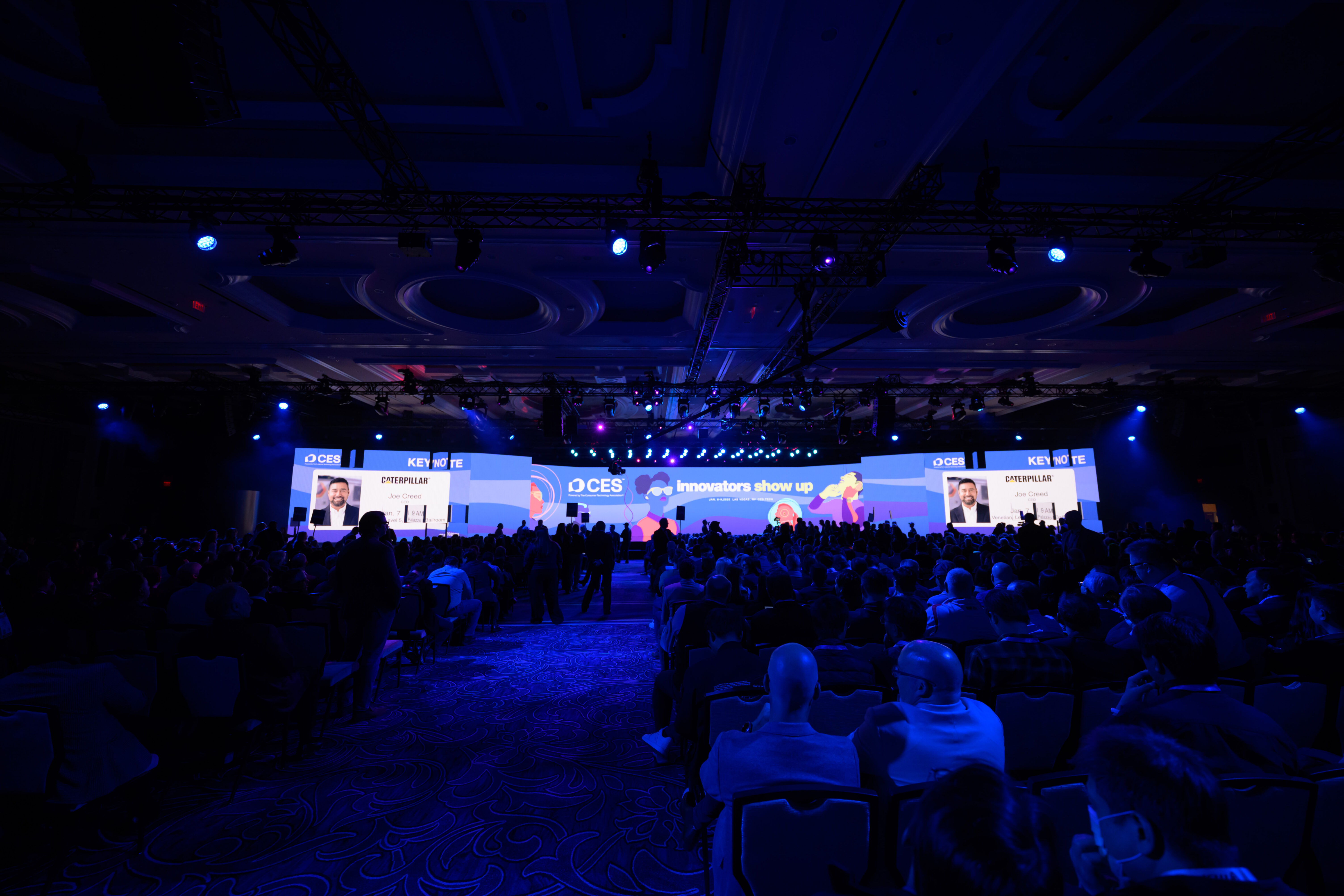
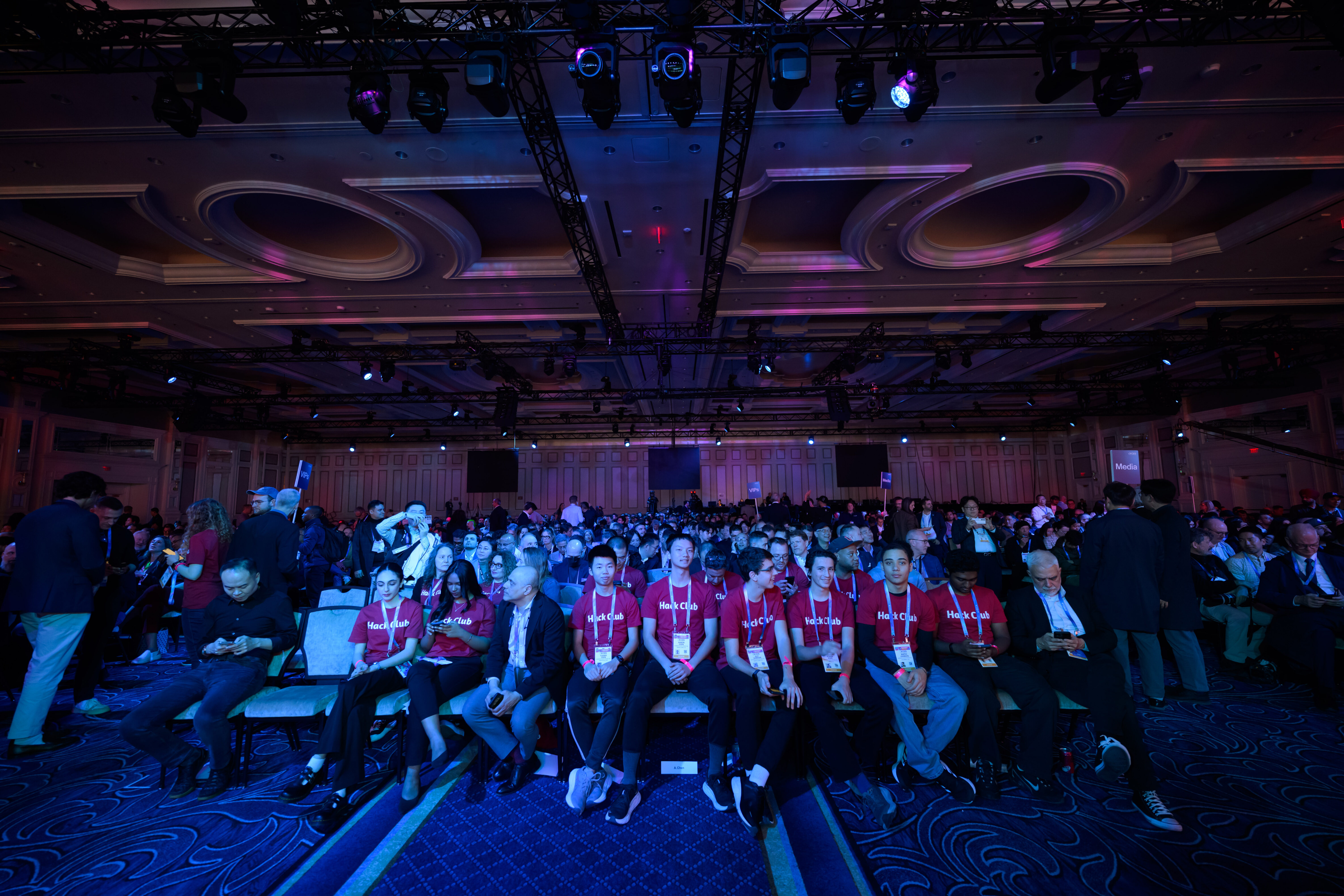
The video opened CES at AMD’s keynote at the Venetian.
It was designed for an immersive seven-screen environment, each operating at very high resolution and in non-standard aspect ratios. The central screen was closer to a 32:9 format - a canvas that current AI image and video tools are not designed to support, either compositionally or technically.
Beyond resolution, the multi-screen configuration introduced both technical and storytelling challenges. Content needed to remain coherent across screens while avoiding visual overload, distraction, or narrative fragmentation.
To solve for this, we developed a series of creative and technical approaches:
A custom outpainting pipeline to extend AI-generated imagery into extreme aspect ratios
VFX-driven integration of outpainted content to expand peripheral vision while preserving the core narrative on the center screen
Throughout development, every multi-screen decision balanced what was technically possible, what was most pleasing to experience at scale, and how each screen enhanced or shaped the audience’s emotional and narrative understanding.
PRE-PRODUCTION / TESTING
In advance of CES, it was important that we could preview the video on a large screen format. Tool partnered with Pier59 Studios to leverage their state-of-the-art Mega Wall as a large-format validation environment. This allowed the team to preview and refine AI-generated keynote graphics at true presentation scale, assess whether motion and transitions felt appropriate for a live audience, and avoid visual intensity that could cause viewer fatigue or motion sickness. Working at this scale also provided critical insight into the overall impact of content on a wall of this size, enabled accurate color evaluation, and helped surface potential compression artifacts early. By using Pier59’s facility for large-format AI previs, Tool reduced downstream risk, accelerated creative decision-making, and delivered greater confidence in how the content would perform in the live CES environment.


IMMERSIVE MOTION GRAPHICS
Design was used selectively to support the story - clarifying key beats, reinforcing technical ideas, and guiding understanding without pulling attention away from the experience itself.
The visual system was intentionally minimal. With AI-generated imagery carrying the emotional weight of the film, design served as a framing and communication layer, stepping in only when it added clarity or structure. Elements appeared briefly to explain or reinforce ideas, then receded to keep the narrative moving.
The look was purposefully familiar to the technology world, stripped back to its essential components. Clean typography, restrained motion, and a limited visual palette ensured the design felt credible and modern without competing with the imagery.



Speed was a core consideration. The story unfolds quickly, and the design needed to communicate concepts just as fast - prioritizing immediate legibility and clear hierarchy.
The seven-screen environment introduced both complexity and opportunity. Design established a horizontal hierarchy across the canvas, with the center screen holding the core narrative and the outer screens used selectively to extend context or amplify key moments. This kept the experience focused while fully leveraging the scale of the venue.
SOCIAL MEDIA AND YOUTUBE
Beyond the live event, we worked with AMD’s social media team to deliver the content at various sizes and resolutions: 16x9, 4x5, and 1x1.